Y2K Aesthetic & the Mavica: Late-90s Nostalgia in Digital Form
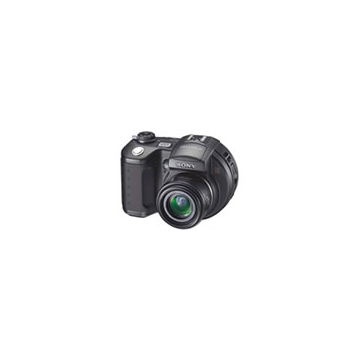
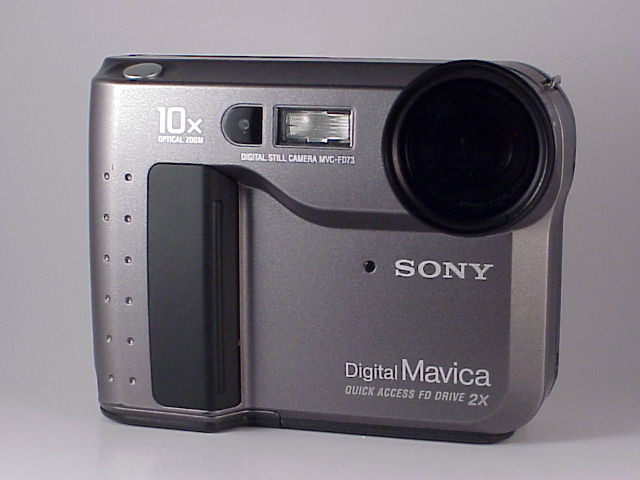
The Y2K aesthetic — a design and cultural movement celebrating the visual language of 1997–2003 — has placed the Sony Mavica at its centre. Chunky silver electronics, pixelated images, floppy disks, and iMac-era optimism: the Mavica embodies the era.
What is the Y2K aesthetic?
The Y2K aesthetic is a design and cultural movement that emerged in the 2010s–2020s, celebrating and reinterpreting the visual culture of approximately 1997–2003 — the years surrounding the millennium. It encompasses:
- Industrial design: Translucent plastics, silver metallics, bulbous organic shapes (iMac G3, Nokia phones, Playstation 2)
- Graphic design: Electric blue, hot pink, metallic silver, chrome text, lens flare, early Photoshop effects
- Digital culture: Dial-up internet, GeoCities, AIM, pixel art, early Flash animations
- Technology: CRT monitors, flip phones, PDAs, MiniDisc players — and floppy disk cameras
- Fashion: Low-rise jeans, butterfly clips, platform shoes, tiny sunglasses, metallic fabrics
- Music: Eurodance, nu-metal, TRL-era pop, early electronic/trance
The aesthetic is driven by a generation (primarily Gen Z and younger Millennials) who either experienced the era as children or were born just after it and discover it as a retro fascination — much as 1950s Americana became a cultural touchstone for the Baby Boomers.
Why the Mavica is a Y2K icon
Timeline alignment
The floppy Mavica series (1997–2002) and the CD Mavica series (2000–2003) perfectly bracket the Y2K era. The cameras were designed, manufactured, and marketed during exactly the period the aesthetic celebrates.
Design language
Mavica cameras embody Y2K industrial design:
- Chunky, assertive form factor: Bold, unapologetic shapes that make no attempt at miniaturisation
- Silver and black colour scheme: The default palette of late-90s electronics
- Prominent branding: Large "MAVICA" lettering, "DIGITAL STILL CAMERA" labels — an era when the technology itself was the selling point
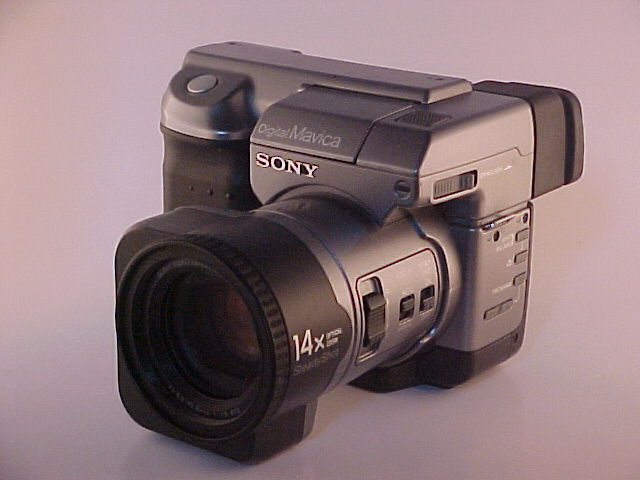
- Visible mechanisms: The floppy disk slot, the CD tray, the flip-out LCD — mechanical interactions that modern devices have eliminated
- Status indicator LEDs: Multiple coloured LEDs visible during operation — a hallmark of Y2K-era electronics
The floppy disk as symbol
The 3.5" floppy disk is arguably the single most recognisable symbol of pre-broadband computing. It appears as:
- The "save" icon in virtually all software (even in 2026, decades after floppy drives disappeared)
- A cultural shorthand for "old technology" or "the before times"
- A physical artifact that younger generations have never used in its original context
A camera that uses this universally recognised symbol as its primary storage medium is inherently Y2K.
Image quality as period accuracy
Mavica image quality — low resolution, heavy compression, warm CCD colours — perfectly matches the visual texture of the late 1990s. When an image shot on a Mavica is placed alongside genuine late-90s photographs, it is visually indistinguishable. This makes the Mavica valuable not just as a nostalgic object but as a tool for period-accurate image-making.
Y2K aesthetic in practice
Social media and content creation
Mavica cameras have become tools for Y2K-themed content creation:
- Instagram accounts dedicated to Y2K aesthetic frequently feature Mavica-shot images as authentic visual content
- TikTok creators use Mavica cameras as props and shooting tools for Y2K-themed videos
- Fashion photography: Independent designers and vintage clothing sellers use Mavica cameras for product shots that evoke the era of their garments
- Event photography: Y2K-themed parties and events often include a "Mavica photo booth" — guests receive their photos on floppy disks as souvenirs
Art and exhibition
The Mavica has appeared in gallery contexts:
- Mixed media installations incorporating Mavica cameras as sculptural objects alongside CRT monitors and other Y2K hardware
- Photography exhibitions featuring Mavica-shot images presented as fine art prints — the lo-fi quality and era-specific colour palette treated as aesthetic properties rather than technical limitations
- Zine culture: Self-published photography zines shot entirely on Mavica cameras have become a niche but growing format
Music and video
- Album artwork: Independent musicians have used Mavica images for album covers and promotional material, leveraging the instant Y2K credibility
- Music videos: The Mavica's composite video-out allows direct recording to VHS or digital capture with an authentic late-90s video signal chain
- Lo-fi video: Some models' MPEG video recording capability (despite extremely low quality) has been used for deliberately degraded video content
The Mavica's role in Y2K revivalism
The Y2K aesthetic differs from simple nostalgia in that it is curatorial and creative rather than merely sentimental. Practitioners don't just collect Y2K objects — they use them to create new work that is in conversation with the era.
The Mavica occupies a unique position in this practice because it is:
- Functional: Unlike many Y2K objects (pagers, PDAs with dead batteries, non-functional websites), a Mavica still works. It produces real images today.
- Affordable: At $15–$50, it's accessible to the young demographic that drives Y2K culture
- Self-contained: It doesn't require subscription services, internet connections, or compatible software. Battery, floppy, shoot.
- Shareable: The resulting images are JPEG files on standard media — trivially transferable to modern devices for posting
Related movements
Vaporwave
The vaporwave aesthetic (2010s) — which samples and distorts 80s–90s commercial culture through a surreal, ironic lens — overlaps significantly with Y2K aesthetic. Mavica images, with their low resolution and warm colour palette, are frequently used in vaporwave visual compositions and music artwork.
Indie sleaze
The indie sleaze revival (2020s) revisits the 2001–2008 era of indie culture — overlapping with the tail end of the Mavica era. The CD Mavica cameras (CD200–CD1000) are particularly relevant here, as they were the cameras of that exact moment.
Cottagecore / dark academia
These visual movements share the Y2K emphasis on physical media and tangible objects. While typically focused on different eras, they overlap in their appreciation for the Mavica as a physical, tactile photographic tool in an age of phone cameras.
Collecting for the aesthetic
If you're acquiring a Mavica specifically for Y2K aesthetic use:
| Goal | Recommended Model |
|---|---|
| Maximum Y2K visual authenticity | FD7 or FD73 — silver body, floppy disk, looks "the most Mavica" |
| Best image quality with Y2K character | CD500 — highest resolution while maintaining era-appropriate form factor |
| Most photogenic camera (for photos OF the camera) | FD91 — the flip-and-twist LCD, bulky grip, and professional styling make it the most visually striking Mavica |
| Cheapest entry point | FD5 — minimal features but unmistakably Y2K |
| Video content creation | FD88 or CD300 — MPEG video capability for authentic-era moving image |
The meta-question
Is using a Mavica in 2026 authentic Y2K or nostalgic pastiche? The answer is: both. The camera is a genuine artifact of the era, and the images it produces are technically indistinguishable from period photographs. But the act of choosing to use it — deliberately, knowingly, in the context of Y2K aesthetic practice — adds a layer of contemporary artistic intentionality that the original users never had.
That tension — between authentic period tool and contemporary creative choice — is what makes the Mavica's role in Y2K culture genuinely interesting.
Related Knowledge
Lo-Fi Aesthetic
The intentional embrace of technical imperfection — low resolution, heavy compression, and CCD character — as an artistic choice.
TechniquesThe Retro-Tech Revival
How and why a new generation of photographers is rediscovering vintage digital cameras as creative tools.
History & CultureThe CD Mavica Series
A guide to Sony's CD Mavica line (2001–2003) — the seven models that replaced floppy disks with 8cm CD-R media and pushed the Mavica brand to its highest resolutions.
History & CultureThe Digital Floppy Camera Era
How Sony's radical decision to use floppy disks as camera storage created a cultural phenomenon from 1997 to 2002.
History & CultureMavica in Pop Culture: Film, TV, Music & Art
The Sony Mavica has appeared in films, television shows, music videos, and contemporary art — sometimes as a plot device, sometimes as a visual prop, and increasingly as a deliberate artistic tool. This article catalogues the Mavica's cultural footprint.
History & CultureThe #ShittyCameraChallenge: Lo-Fi Photography as a Movement
The #ShittyCameraChallenge is a social media movement celebrating the creative potential of cheap, old, and technically limited cameras — including the Sony Mavica. What started as a hashtag became a philosophy: that compelling images come from the photographer, not the gear.
History & CultureSony Mavica Timeline (1981–2003)
The complete chronological history of the Sony Mavica lineup — from the 1981 still-video prototype to the final CD-burning models.
History & Culture