Trichrome Photography
A technique using three separate exposures through red, green, and blue filters to create surreal color-shifted images.
What is trichrome?
Trichrome photography captures three separate black-and-white (or desaturated) exposures through red, green, and blue colour filters, then combines them into a single RGB image. Any movement between exposures produces vivid colour fringing and ghosting.
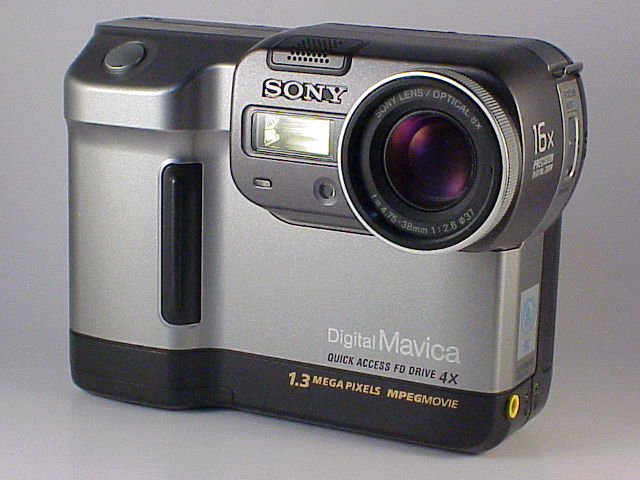
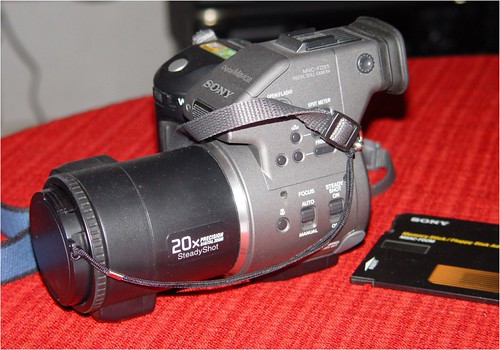
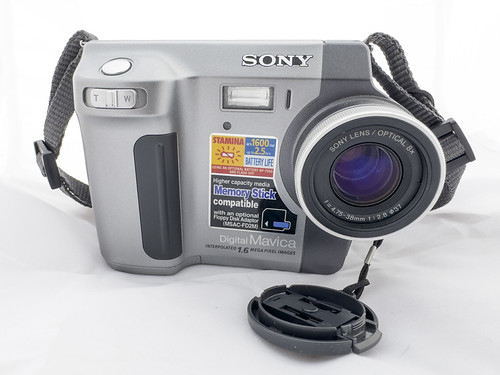
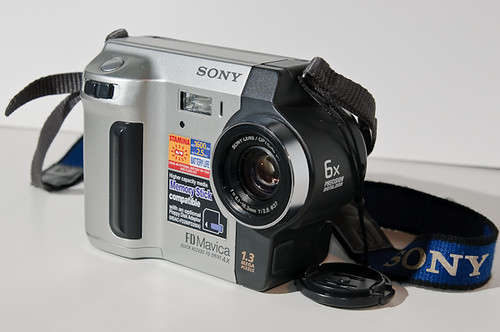
Why Mavica cameras are perfect for trichrome
The Mavica's CCD sensor and slow processing cycle make it an ideal trichrome tool:
- No burst mode — the enforced pause between shots naturally introduces scene change
- Floppy save delay — the 2-7 second write creates natural timing gaps
- CCD colour response — CCD sensors respond differently to filtered light than CMOS, producing more saturated trichrome results
- Low resolution — the resulting colour fringing is more pronounced at low pixel counts
How to shoot trichrome on a Mavica
- Mount your Mavica on a tripod (critical for alignment)
- Acquire red, green, and blue gel filters (photography gel sheets work perfectly)
- Shoot three frames: one through each filter
- Combine in any image editor: set each frame as the R, G, and B channel respectively
Subject suggestions
- Street scenes — moving cars and pedestrians create colourful ghosts
- Water — waves and ripples produce psychedelic colour separations
- Trees in wind — leaves create a shimmering multi-coloured halo
- Static scenes — architecture with moving clouds for subtle sky effects
Related Knowledge
Long Exposure on Mavica
Techniques and limitations for long-exposure photography on cameras with fixed or limited shutter speed control.
TechniquesLo-Fi Aesthetic
The intentional embrace of technical imperfection — low resolution, heavy compression, and CCD character — as an artistic choice.
TechniquesCCD Sensors
The charge-coupled device (CCD) image sensor that defined the Mavica era — how it captures light and why it produces a distinct look.
Camera Technology