Long Exposure on Mavica
Techniques and limitations for long-exposure photography on cameras with fixed or limited shutter speed control.
Mavica shutter speed limitations
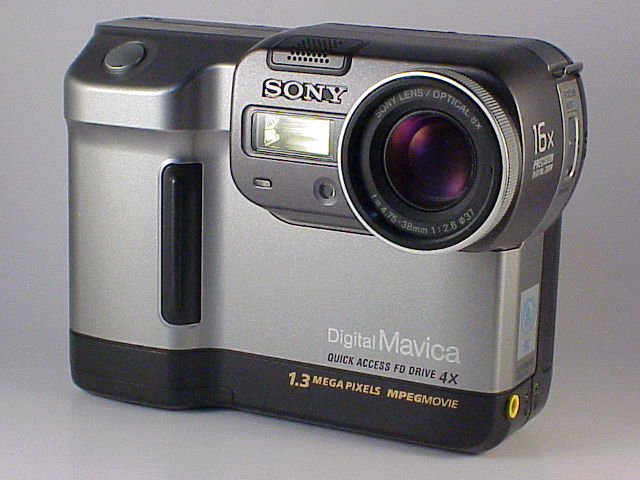
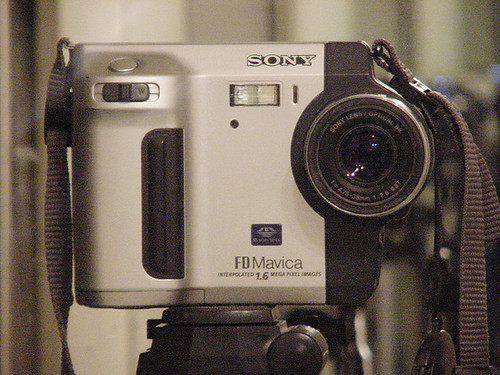
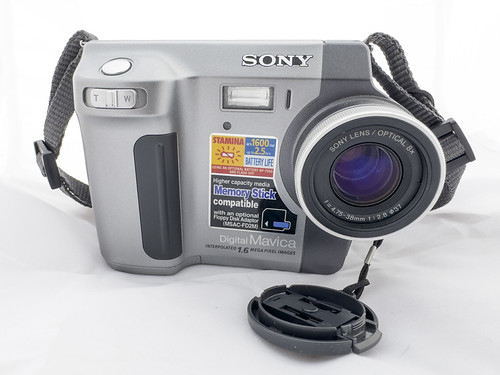
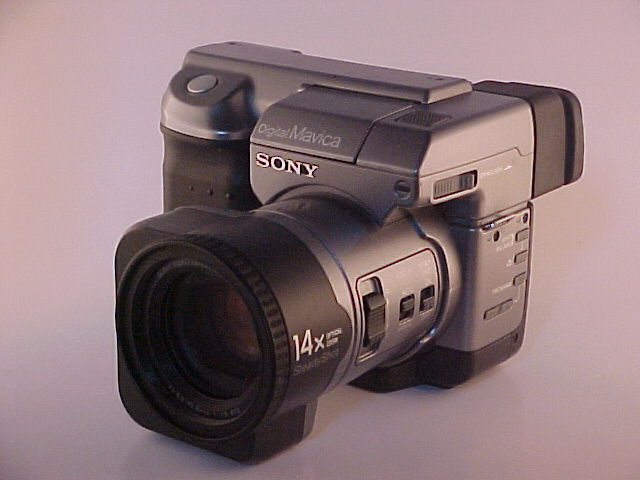
Most Mavica models have limited manual exposure control. The FD91 offers the most flexibility with a slow shutter mode up to 1/4 second. Most other models rely on automatic exposure that tops out around 1/30 to 1/8 second.
Night photography on a Mavica
Despite the limitations, Mavica night photography is one of the most popular genres on MaviCats:
- CCD long readout — at slow shutter speeds, the CCD readout time adds additional "exposure," creating interesting light trail effects
- Hot pixels — longer sensor activation reveals fixed-pattern noise as colourful speckles
- Bloom streaks — point light sources in night scenes produce dramatic CCD bloom
- Noise floor — the visible noise in dark areas adds a film-grain-like texture
Tips for night shots
- Use a tripod or rest the camera on a solid surface
- Look for scenes with mixed light — streetlamps, neon signs, car headlights
- The FD88/FD90/FD92 models with SteadyShot handle low light better
- Try the self-timer to avoid camera shake when pressing the shutter
- Shoot at Fine quality — dark images compress poorly and need all the data they can get
The "accidental exposure" effect
Because Mavica auto-exposure is somewhat unpredictable in low light, you'll occasionally get wildly over- or under-exposed frames. Embrace these accidents — some of the most striking Mavica images are happy mistakes.
Related Knowledge
Exposure Modes Explained
A walkthrough of Auto, Program AE, Shutter Priority (S), Aperture Priority (A), and Manual (M) exposure modes available on Mavica cameras.
Camera TechnologyLo-Fi Aesthetic
The intentional embrace of technical imperfection — low resolution, heavy compression, and CCD character — as an artistic choice.
TechniquesImage Stabilization (SteadyShot)
Sony's SteadyShot optical image stabilization system and which Mavica models included it.
Camera TechnologyCCD Bloom
A sensor overflow artifact where bright light bleeds into adjacent pixels, creating ethereal vertical streaks unique to CCD cameras.
Camera TechnologyCCD Degradation Over Time: Age-Related Sensor Decay
Mavica CCD sensors are 22–28 years old. Over decades, CCDs develop progressive degradation — increased noise, colour shifts, reduced sensitivity, and eventually complete failure. This article explains what happens, how to assess a sensor's condition, and what (if anything) can be done.
Repair & Restoration